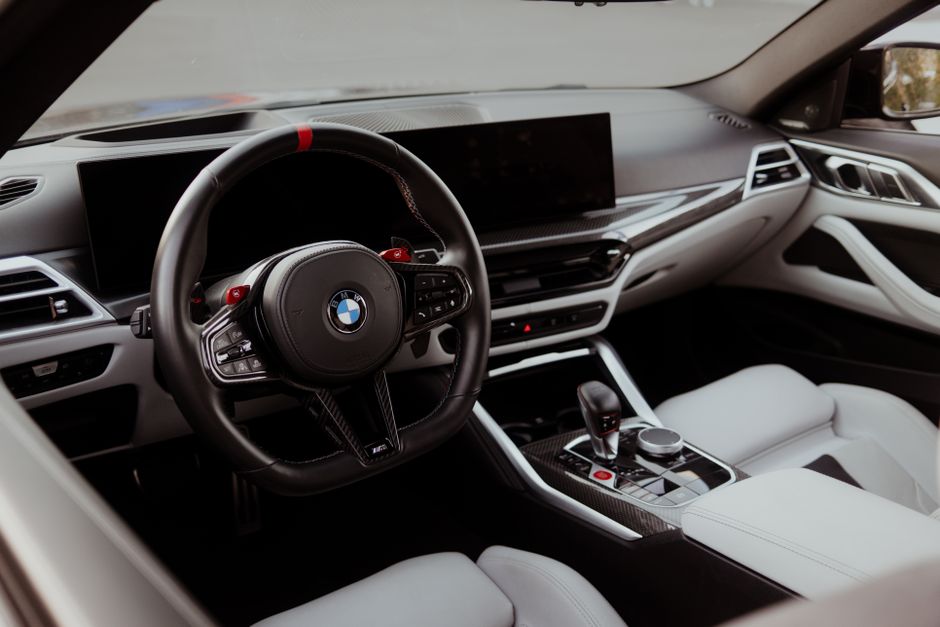
Three years ago I bought a used BMW X5, convinced my budget could handle any quirks of German engineering. Fourteen and a half months later my bank account was empty after an unexpected turbo replacement and cooling-system repair. It was a brutal lesson. If you’re shopping for a car in 2025, skip the prestige and focus on the numbers.
Real Ownership Costs vs. Advertising Promises
Most buyers repeat my mistake: they only look at the monthly loan payment. True ownership math also includes fuel, insurance, taxes, and—most critically—parts. In 2025 the cost of shipping components from Europe rose 22.4% compared with 2022 levels. That shift changes everything.
When choosing a car, pay attention to its repairability index. This metric reflects how many aftermarket parts are readily available on sites like Exist or Autodoc. If you have to wait 18 days for brake pads to arrive from Germany, you’re not saving money—you’re simply delaying the inevitable expense.
Compare two scenarios. A new premium sedan can easily cost EUR 450 per month in maintenance and insurance alone. An older but dependable Japanese hatchback runs about EUR 115 per month. The EUR 335 monthly difference totals EUR 4,020 a year—money better spent on actual repairs than on image.
Kings of Economy: Japanese and Korean Models
If minimal running costs are your goal, look at the Toyota Corolla or Hyundai Solaris. These cars are built to be forgotten between services. The Corolla’s 1.2L engine uses just 5.8 liters per 100 km in normal driving—key for anyone commuting 60 km daily.
Always check comprehensive-insurance (KASKO) rates. New Korean models typically cost around 3.2% of the car’s value; older Japanese cars can drop to 1.8%. Remember deposits too: Localrent or Sixt rentals often require EUR 350 for a Hyundai versus up to EUR 1,200 for premium brands.
Tip: calculate consumables. A liter of Hyundai-spec oil costs roughly 850 RUB; the same volume in a German car runs about 2,450 RUB because of stricter approvals.
European Standard: When Reliability Costs Money
Don’t dismiss the Volkswagen Golf—it remains an ergonomic benchmark. Yet its complex electronics demand quality head units and proprietary software. Updating the multimedia system can easily cost 45,000 RUB.
I once tried to save money with a cheap Chinese adapter for an older Volkswagen. Two and a half weeks later it stopped recognizing CarPlay, forcing another 12,000 RUB repair. A costly mistake.
When buying a European car, factor in “zero-deductible” KASKO coverage. In 2025 this is becoming a luxury. If you rent frequently through EconomyBookings, read the fine print—cheap rates often hide a 500 EUR deductible for even minor bumper damage.
Hidden Budget Killers
Some issues never appear in an Avito listing: suspension wear and electronics condition. On poor roads, replacing a set of silent blocks can run 15,600 RUB.
Always verify the following:
1. A service book stamped every 10,000 km.
2. Timing-belt condition (replacement costs about 28,000 RUB).
3. Oil-change history (intervals should not exceed 7,500 km).
4. A spare set of tires.
Owners often overlook the luxury tax. Engines over 250 hp trigger a higher coefficient that can add another 15,000 RUB annually.
Answers to Common Questions
**Which car is cheapest to maintain in 2025?**
Renault Logan and its rebadged siblings remain the clear leaders. Their simple design means parts are available at any corner store for around 1,200 RUB.
**Is an electric car worth it for fuel savings?**
Only if you have cheap home charging. Public stations can cost 15.5% more per kWh than gasoline.
How to Avoid Financial Ruin
I often hear “buy used—it’s cheaper.” Half-truth. A 150,000 km car can easily cost you 100,000 RUB in the first month.
My advice: choose a younger car with slightly higher mileage over a neglected premium model. Reliability beats status.
Brake-disc prices illustrate the gap:
- Toyota Camry: 8,400 RUB per pair.
- BMW 5 Series: 27,600 RUB per pair.
That’s a 3.3× difference.
Practical Buyer Tips
Follow these rules so your car doesn’t become a financial disaster.
First, run a paid title check—550 RUB can save you from buying a car with an outstanding loan.
Second, pay for an engine endoscopy (about 5,000 RUB) to reveal real cylinder wear.
Third, set aside 15% of the purchase price for the first service. On a 500,000 RUB car that means another 75,000 RUB in reserve.
Fourth, never skip the head-unit and electronics inspection. Glitches often signal deeper electrical problems.
Finally, get a full independent suspension inspection before any major purchase.