
A W-engine is a unique internal combustion engine configuration that blends elements of both V-shaped and boxer engines. This design significantly reduces overall dimensions while maintaining high power output, making it ideal for vehicles where space is limited. The Bugatti Chiron supercar showcases how this layout can deliver exceptional performance in a racing machine.
Unlike conventional inline-six engines, a W-engine consists of two V-shaped cylinder banks, enabling 12 or even 16 cylinders to be housed in a compact space. This configuration was once explored experimentally by companies such as Audi and Ford when developing high-performance racing models. The approach demonstrates the possibility of creating powerful powertrains with reduced size and weight, which proved especially valuable in both aviation and motorsport applications.
The advantages of W-engines lie not only in their efficiency but also in their ability to deliver rapid acceleration and high power with relatively modest fuel consumption. This makes them attractive to manufacturers aiming to build competitive models capable of outperforming both regular cars and seasoned race machines. In this article we take a closer look at the W-engine’s design, its benefits, and its use in modern cars, including a review of its historical development and industry impact.
W-Engine Design
A W-engine comprises two V-shaped blocks positioned at an angle to each other. This arrangement allows the engine to be made much more compact while preserving high output. Compared with conventional V8 engines, W-engines offer a smaller footprint, which has made them desirable in automotive engineering. Although many manufacturers toyed with the idea, Cisitalia developed the most successful version, which later influenced Ferrari and Maserati models used in both aviation and motorsport.
Each cylinder in a W-engine operates independently, improving efficiency and reducing vibration. Years later, the Byakin model with its triple-turbo W-engine showed that such designs remain relevant in contemporary car manufacturing. While some makers such as Ford and Seat continue with more traditional layouts, W-engines still find buyers thanks to their power and innovative engineering.
Cylinder Design and Layout
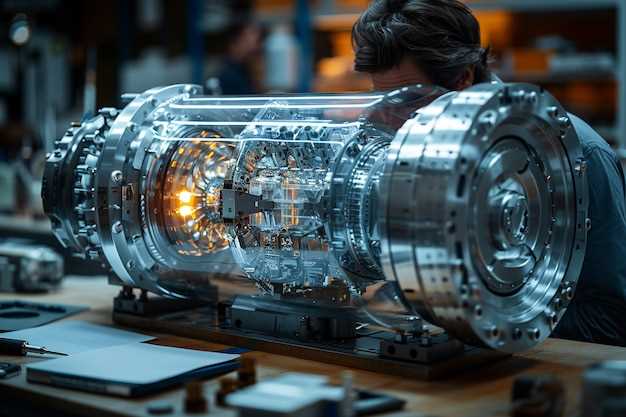
The cylinders are the defining feature of a W-engine. In this configuration there are typically six or twelve cylinders divided into two banks. The layout provides compactness and simplifies installation in the chassis, especially in sports cars.
Like V-engines, each bank is inclined at a specific angle that optimizes airflow and fuel mixture. This angle is usually 60 or 90 degrees depending on the version and intended use. The result is a smaller overall engine package together with improved dynamic characteristics.
Historically, cylinder design was influenced by pioneers such as Ferdinand Porsche and the engineers at Ferrari. Their work is firmly recorded in automotive history, as their developments shaped what is now considered standard practice. The Ferrari 250 GTO, for example, remains a symbol of racing excellence and outstanding engineering.
Engine design frequently incorporates technologies that reduce friction between moving parts. This is especially important for W-engines, which must handle extreme loads in competition and at grand prix events where every component matters. Alternative layouts such as V or inline engines do not always match these parameters.
W-configuration engines are often fitted to high-performance cars such as the Volkswagen Passat and Dodge Viper. An experienced engineer will notice that the cylinder-block architecture in both vehicles differs markedly from conventional choices, giving the car new strength and performance while ensuring reliable operation even under the toughest conditions.
Thus, the successful application of W-cylinders marked an important stage in engine evolution. Their efficiency and power deliver competitiveness on the international stage. Whether it is a new version from Ford or an updated berlinetta from Ferrari, the use of such an engine always signals advanced technology and distinctive design.
Operation of the Valve Timing Mechanism
During operation the valve timing mechanism tracks piston and cylinder movement. As each piston rises and falls it creates the vacuum needed to draw air and fuel into the combustion chamber. This sequence occurs across all cylinders, and any mistimed phase or faulty valve operation can cause serious damage. Such complexity demands precise engine calibration, as demonstrated by teams competing in grand prix events with their unique valve timing systems.
One notable development was the introduction of dual valves (Dual VVT), which improves engine response across different rpm ranges. While classic engines, such as those based on the Passat, used simpler mechanisms, modern models from Lamborghini or Ferrari pursue maximum performance through sophisticated valve timing designs.
- Advantages: improved power delivery, reduced fuel consumption.
- Disadvantages: increased design complexity, potentially higher maintenance costs.
- Applications: racing cars, sports models, high-performance SUVs.
Various valve timing configurations can be compared, since even small design differences can significantly affect performance. Many manufacturers, including Alfa and Seat, pay close attention to this aspect, setting themselves apart from conventional solutions. These cars often become topics of discussion on outlets such as Autoreviewru and automotive YouTube channels.
Throughout automotive history the valve timing mechanism has undergone major changes, from primitive systems to the complex solutions seen today. Original Hispano-Suiza developments a century ago laid the foundation for this evolution. Technology continues to advance, and the latest models with W-engines deliver outstanding results thanks to expertly implemented valve timing systems.