
Hybrid cars are growing in popularity in 2025. They combine efficiency and environmental friendliness, which appeals to drivers. Honda hybrid models stand out from competitors thanks to innovative technologies. Honda has long been developing hybrid systems. In this article we examine their pros and cons. From fuel savings to complex maintenance, we explore whether these cars are worth considering.
History of Honda Hybrid Technology
Honda began developing hybrids in the late 1990s. The first model was the Insight, launched in 1999. It was one of the world’s first mass-produced hybrids. It competed with the Toyota Prius. At the time, the Insight offered fuel economy and low emissions. However, the technology of that era had limitations. For example, batteries wore out quickly.
By 2025 Honda had significantly advanced its systems. Modern Honda hybrid technology, such as i-MMD, has become far more efficient. It is used in the CR-V, Accord and HR-V. The company also plans to expand the lineup. This makes Honda hybrids worth examining.
i-MMD Technology: How Honda Hybrids Work
The i-MMD (Intelligent Multi-Mode Drive) system is the foundation of Honda hybrid models. It combines a gasoline engine with two electric motors. The engine operates on the Atkinson cycle. This improves fuel efficiency. The electric motors provide propulsion at low speeds. In the city, for example, the car runs on electric power.
On the highway the gasoline engine engages. It either drives the wheels directly or charges the battery. The system automatically selects the operating mode. This makes driving smooth. As a result, Honda hybrid technology balances power and economy.
Advantages of Honda Hybrid Models
Honda hybrids offer many benefits. First, fuel economy. The Honda CR-V Hybrid, for example, consumes around 5 liters per 100 km in mixed driving. That is 25% less than the gasoline version. Second, lower emissions. Electric drive in the city reduces CO2 output.
Another advantage is performance. The electric motors deliver instant torque. The Honda Accord Hybrid, for instance, accelerates from 0 to 100 km/h in 7.5 seconds. Hybrids are also quieter than gasoline cars. They require no external charging—the battery charges while driving. Consequently, Honda hybrids suit long trips.
Disadvantages of Honda Hybrids: What to Watch For
Hybrid models have drawbacks. First, the higher price. In 2025 the Honda CR-V Hybrid costs 15–20% more than the gasoline version. Second, complex maintenance. Hybrid systems require specialized skills, which raises repair costs.
Another issue is the battery. Over time it degrades. Replacement can be expensive. After the warranty expires, for example, a battery for the Honda Accord Hybrid represents a significant cost. Hybrids are also heavier due to the dual powertrain, which affects handling. Therefore, the pros and cons of Honda hybrids should be weighed carefully before purchase.
Fuel Economy: Real Benefits of Hybrids
Fuel savings are the key advantage of hybrids. In the city the Honda HR-V e:HEV can travel up to 50 km on electric power alone. This reduces gasoline use. In traffic, for example, the engine often shuts off while the electric motor handles the load. As a result, fuel consumption drops.
On the highway the savings are smaller. Still, the i-MMD system optimizes engine operation, delivering up to 20% better fuel economy than gasoline models. In regions with high fuel prices the benefit is even more noticeable. That is why Honda hybrids appeal to cost-conscious drivers.
Environmental Impact: Contribution to the Future
Honda hybrids reduce emissions. In urban driving they often operate on electric power, cutting CO2 and other pollutants. The Honda CR-V Hybrid, for example, emits 30% less CO2 than its gasoline counterpart. Hybrids also use smaller batteries than full EVs, lowering the environmental impact of production.
However, battery manufacturing still affects the environment. Hybrids also do not eliminate emissions entirely. Nevertheless, they represent a step toward a cleaner future. In short, Honda hybrids contribute to sustainable mobility.
Reliability and Durability: What to Expect?
Honda is known for reliability, and its hybrid systems are no exception. The i-MMD system has proven durable. Many CR-V Hybrid owners exceed 200,000 km without major issues. Honda also provides an 8-year battery warranty.
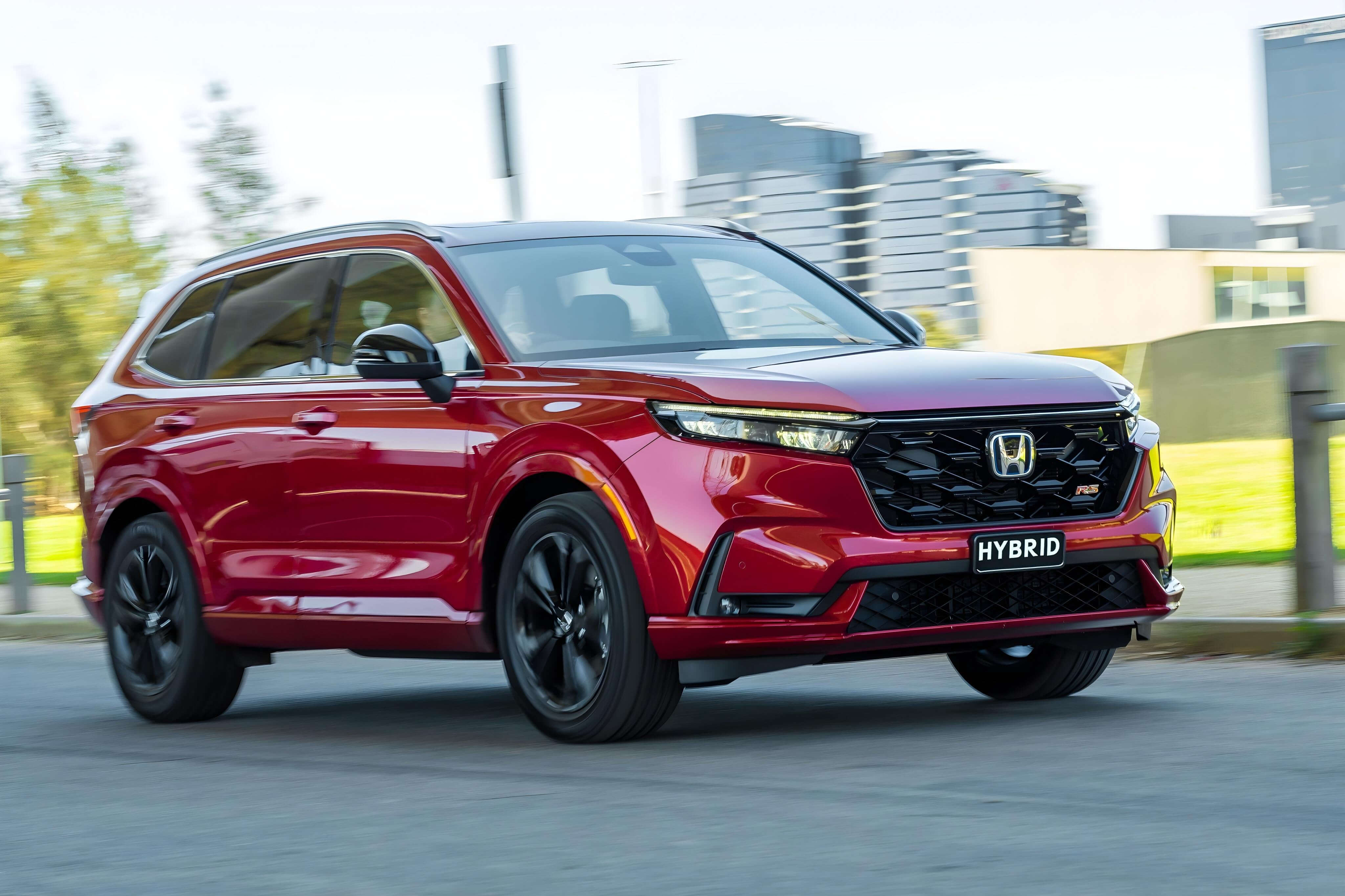
Still, risks exist. The battery gradually loses capacity, reducing efficiency. Hybrid system repairs are also more complex—not every workshop can service i-MMD. Owners should therefore be prepared for potential higher costs.
Driving Experience and Comfort
Honda hybrids deliver comfortable driving. Electric motors provide smooth acceleration. The HR-V e:HEV, for example, is virtually silent in the city. The i-MMD system automatically switches modes, making the ride relaxed.
On the highway the gasoline engine operates efficiently. Some owners note engine noise at higher speeds. Added battery weight can also make handling slightly less precise. Overall, Honda hybrid technology makes driving enjoyable.
Cost of Ownership: Is It Worth It?
Upfront ownership costs are higher. The Honda Accord Hybrid, for instance, costs 10–15% more than the base model. Fuel savings, however, offset the difference over time—especially in city driving.
On the other hand, maintenance is more expensive. Battery replacement after the warranty can be costly, and insurance premiums may be higher. Hybrids also hold value better on the used market. Careful calculation of the pros and cons is therefore essential.
Comparison with Competitors: Toyota and Nissan
Honda competes with Toyota and Nissan. The Toyota Prius leads the hybrid segment with similar fuel economy. Honda’s i-MMD system, however, feels more responsive—the Accord Hybrid accelerates quicker than the Prius.
Nissan uses e-Power, a series-hybrid setup that offers smoothness but less highway performance. Honda also provides superior build quality. As a result, Honda hybrids stand out in the market.
Future of Honda Hybrids: What to Expect?
Honda plans to advance its hybrid technology. By 2026 the i-MMD system will become even more efficient. The company also intends to increase hybrid sales in North America amid rising demand.
Future developments may include AI integration for better energy management and 5G connectivity for over-the-air updates. Consequently, Honda hybrids should remain competitive.
Conclusion: Should You Buy a Honda Hybrid?
Honda hybrid models combine efficiency and technology. They save fuel, cut emissions, and deliver comfort and performance. Higher prices and complex maintenance remain drawbacks. In 2025 these models suit buyers who value sustainability and are willing to invest in advanced technology.
If you drive mostly in the city, a hybrid will likely pay off. The Honda CR-V Hybrid, for example, is ideal for family use. Honda continues to refine its systems, so choose a hybrid if you are ready for a long-term investment.