
Introduction: Haval Jolion and Its Place in the Market
In 2025, the Haval Jolion continues to draw attention from drivers. This compact crossover from Chinese brand GWM raises plenty of questions. Is it worth trusting a newcomer to the market? In this article we examine the model’s key aspects. We’ll look at design, technology, and reliability, and assess how well the Jolion meets expectations.
Haval Brand History: From Newcomer to Contender
Haval is a sub-brand of Great Wall Motors, launched in 2013. It was created to focus on crossovers and SUVs. In a short time the brand became one of the leaders in China. Haval arrived in Russia in 2015 with the H6 and H9. Real success came with the Jolion in 2021, which quickly became a bestseller. In 2025 the company continues to strengthen its position, proving its ambitions.
Haval Jolion Design: Modern Style
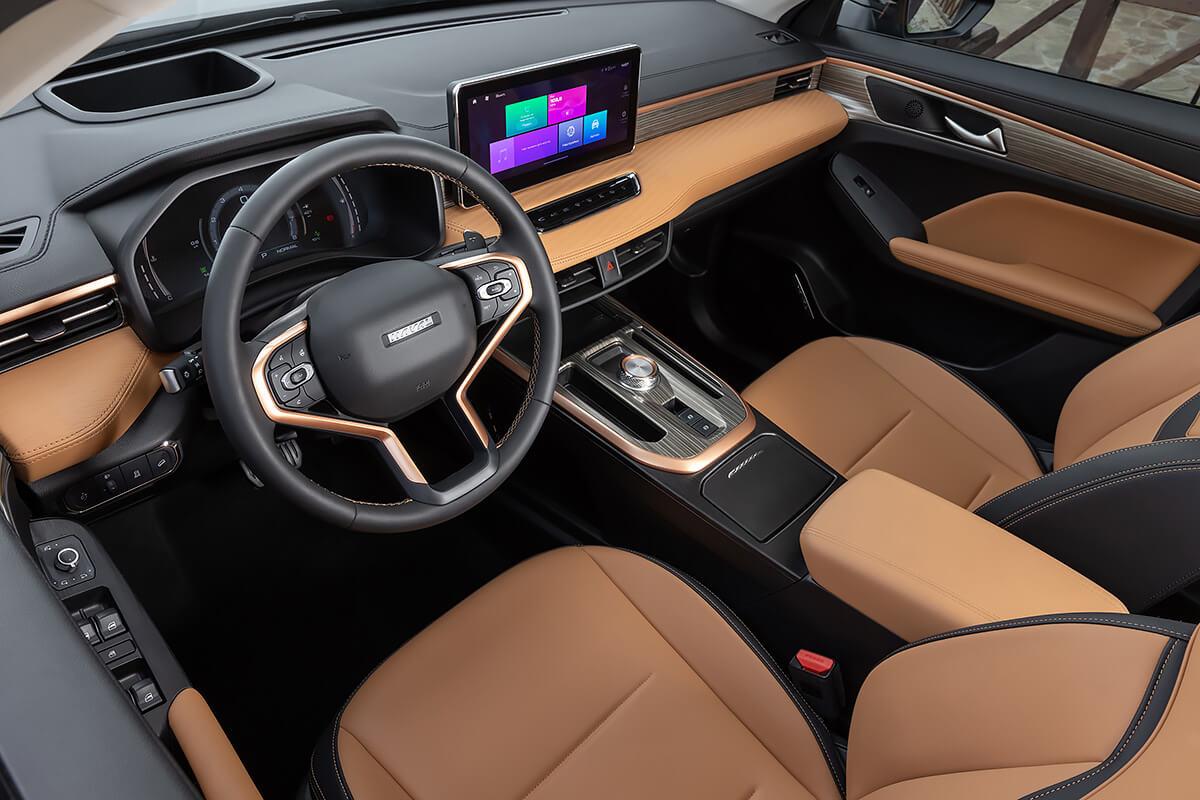
The 2025 Haval Jolion stands out with its contemporary look. The front features a large grille framed by LED headlights. Body lines are smooth and aerodynamic, while generous ground clearance hints at light off-road ability. Eye-catching colors such as Energy Green and Blue Sapphire are available. Inside, quality materials and a stylish dashboard create a premium feel. Overall, the Jolion’s design makes a strong impression.
Technology in the New Haval Jolion
The 2025 Jolion comes loaded with modern tech. A 12.3-inch touchscreen sits at the center, supporting Apple CarPlay and Android Auto, alongside a fully digital instrument cluster. Driver-assistance systems include adaptive cruise control, lane-keeping assist, and traffic-sign recognition. Some owners find the interface less intuitive—climate controls, for example, require extra steps. Still, the car delivers genuine innovation for the segment.
Haval Jolion Engines: Power and Efficiency
Buyers can choose between a 1.5-liter gasoline engine producing 110 kW paired with a 7-speed DCT, or a hybrid version delivering 140 kW. The electric-only range reaches 350 km, making it practical for daily commuting. The hybrid powertrain lowers emissions and running costs. Some drivers note that the DCT can feel hesitant at low speeds, but overall the powertrains suit a wide range of needs.
Comfort and Practicality
The 2025 Jolion is designed for everyday comfort. The cabin seats five adults, and the 337-liter trunk expands when the rear seats fold. Suspension absorbs bumps well, delivering a smooth ride. Seats are supportive for most drivers, though some would like more thigh bolstering. Controls are logically placed, making the car easy to live with day to day.
Haval Reliability: Owner Feedback
Reliability remains the big question for any new brand. Jolion reviews are mixed. Many owners praise comfort and low fuel consumption, yet some report DCT issues and occasional build-quality niggles. Haval offers a seven-year warranty in 2025, which helps build confidence, and the company continues to address early concerns. Long-term dependability is still being proven.
Haval Jolion in Russia: Growing Popularity
The Jolion sells strongly in Russia, especially in Moscow and St. Petersburg. Prices start at 1.8 million rubles. Russian buyers appreciate the hybrid’s efficiency, seat heaters for winter, and stylish design that appeals to younger drivers. Its compact size also makes city parking easier. The model is quickly becoming a segment leader.
Haval Jolion Competitors
The Jolion faces strong rivals including the Kia Seltos, Hyundai Creta, and Chery Tiggo 4 Pro. It undercuts the Seltos on price while offering more standard technology than the Creta. The Tiggo 4 Pro is cheaper but less powerful. Overall, the Jolion’s blend of features and value gives it a real shot at success.
Haval’s Future Outlook
Haval’s roadmap looks promising. An updated hybrid with up to 400 km of electric range is expected in 2026, and the brand is developing higher-level autonomous driving features. The current adaptive cruise control is just the start; second-level autonomy is likely to become standard soon. Haval shows no signs of slowing down.
Conclusion: Should You Trust Haval?
The 2025 Jolion combines style and technology in an attractive package. Its hybrid powertrain adds efficiency, and the model is already popular in Russia. Reliability questions remain, but if you want an affordable crossover with modern features, the Haval Jolion is worth considering.