The history of Rolls-Royce began in 1904 when Charles Rolls and Henry Royce joined forces to create a car that would set the standard for luxury. Since then, the brand has become synonymous with elegance, quality, and status, with models like the Phantom and Spectre continuing to define the benchmarks in 2025. The evolution of Rolls-Royce traces a path from its early models to today’s electric vehicles, where every detail highlights exceptional craftsmanship. In this article, we explore the key milestones in the brand’s development, its achievements, and its impact on the automotive world. Let’s embark on a journey through the history of this legendary name.
Foundation: The Beginning of the Rolls-Royce Story
The Rolls-Royce story started with the partnership between Charles Rolls, a motoring enthusiast and entrepreneur, and Henry Royce, a perfectionist engineer. They met in Manchester in 1904. Royce had already built his first car, the Royce 10 with a 2-liter engine. The vehicle impressed Rolls with its reliability. That same year they signed an agreement. The first model, the Rolls-Royce 10 hp, was priced at £395. In doing so, the brand laid the groundwork for future success.
First Steps Toward Excellence
The Rolls-Royce 10 hp debuted at the 1904 Paris Motor Show. The car featured a 12-horsepower engine. Its chassis was also hand-built. In addition, Rolls and Royce placed their bet on quality. Every component was tested, for example. They also offered a two-year warranty. As a result, the brand quickly earned a reputation as a reliable manufacturer.
The Golden Age: Rolls-Royce as a Symbol of Luxury
In the 1920s Rolls-Royce became the embodiment of luxury. The 1907 Rolls-Royce Silver Ghost, for instance, covered 14,371 miles without a single breakdown. The car cost $12,000. Phantom I, launched in 1925, added more power. Its 7.7-liter engine produced 95 horsepower. The cabin also featured mahogany and leather. Thus Rolls-Royce cemented its status as an elite marque.
Triumphs in Testing
The Silver Ghost proved its reliability. In 1911, for example, it competed in the London-to-Edinburgh rally. The car covered 800 miles without stopping. Phantom I also impressed the public. Royal families, for instance, used it. In 1929 Phantom II set a speed record of 134 km/h. Its price was $20,000. Rolls-Royce therefore became the choice of the elite.
War and Postwar Years: The Rolls-Royce Journey
During the Second World War Rolls-Royce switched to aviation. The Merlin engine, for example, powered Spitfire aircraft. It delivered 1,030 horsepower. The company also produced tank engines. After the war Rolls-Royce returned to cars. The Silver Wraith of 1946 became the first postwar model. The car cost $15,000. In this way the brand regained its footing.
Postwar Innovations
The Silver Wraith introduced new technologies. Its suspension, for example, was independent. The 4.3-liter engine also delivered silky smoothness. The cabin featured wool carpets. Rolls-Royce began exporting to the United States as well. Sales rose 30 percent in 1950, for instance. The postwar years therefore strengthened the brand’s reputation.
1960s–1980s: The Evolution of Rolls-Royce
In the 1960s Rolls-Royce continued to grow. The Silver Shadow of 1965 became a bestseller. The car cost $19,500. Phantom V was also used by Queen Elizabeth II. Its price was $30,000. In 1971 the company split. The car division became independent. Rolls-Royce therefore adapted to changing times.
Technological Achievements
The Silver Shadow introduced hydropneumatic suspension. This improved comfort. The 6.2-liter engine also produced 220 horsepower. The Corniche of 1971 added style. Its body was a convertible. In the 1980s Rolls-Royce adopted ABS. The Silver Spirit of 1980, for example, became safer. The brand therefore remained a leader.
Modern Era: The History of Rolls-Royce in the 21st Century
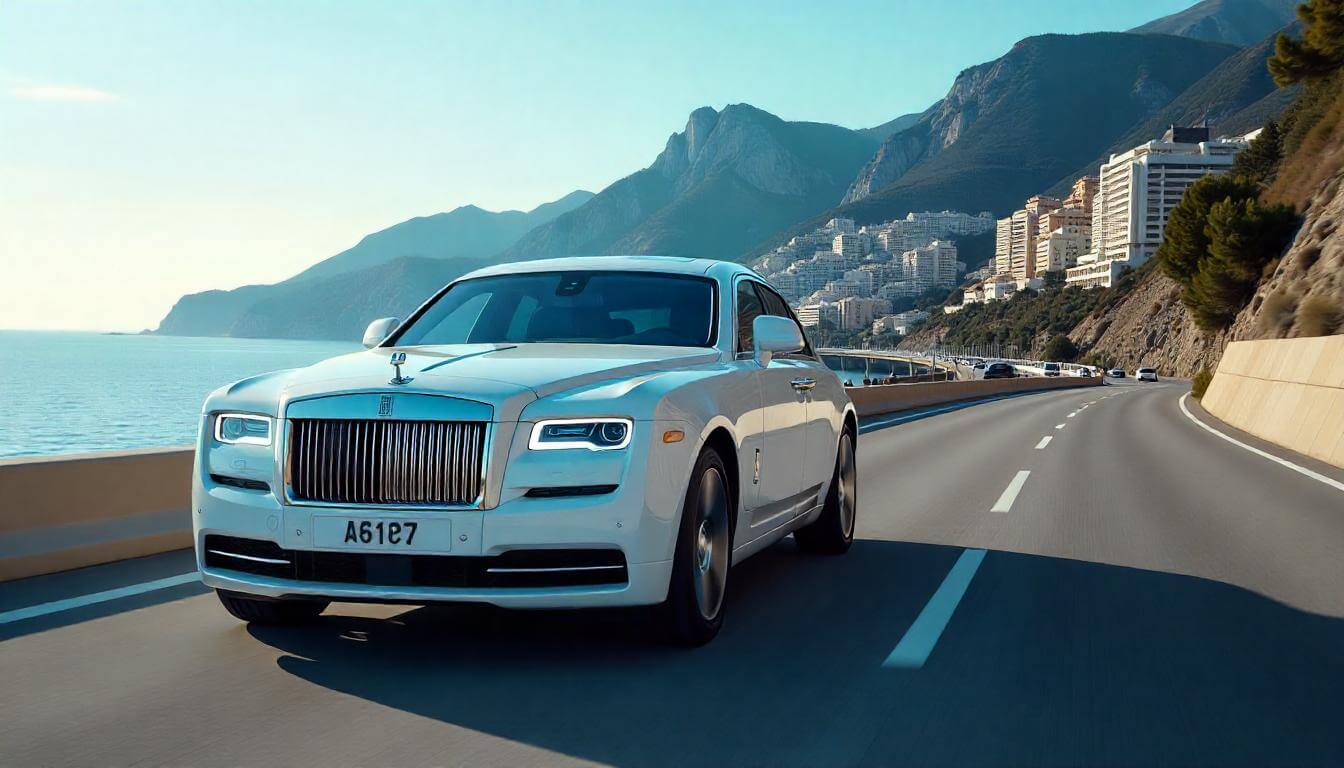
The history of Rolls-Royce in the 21st century is a blend of tradition and innovation. Phantom VII of 2003, for example, was the first model under BMW ownership. The car cost $320,000. Cullinan of 2018 became the brand’s first SUV. Its price is $325,000. Spectre of 2024 is Rolls-Royce’s first electric car. The brand is therefore keeping pace with the times.
Electrification and Sustainability
Spectre delivers impressive performance. Its range, for example, is 418 km. Power stands at 577 horsepower. Rolls-Royce also uses recycled materials. The Spectre cabin, for instance, incorporates recycled aluminum. The brand plans to go fully electric by 2030. Rolls-Royce is therefore adapting to environmental trends.
Design: Rolls-Royce as a Symbol of Luxury
Rolls-Royce design has always emphasized status. The Spirit of Ecstasy figurine, for example, appeared in 1911. It became the brand’s emblem. Phantom VIII of 2017 features a starlight headliner. Its cabin costs $50,000. Cullinan also offers 44,000 paint colors. Rolls-Royce therefore creates truly unique cars.
Interiors and Personalization
Rolls-Royce cabins are works of art. Phantom, for example, uses hand-selected leather. Wooden panels are also crafted by hand. Clients can order custom embroidery. Initials on headrests, for instance. The Rolls-Royce Boat Tail of 2021 added a picnic set. Personalization therefore makes each car unique.
Market Influence: The Story of the Luxury Brand Rolls-Royce
Rolls-Royce shapes the market. Sales rose 10 percent in 2024, for example. The brand also sets luxury standards. Phantom remains the benchmark. Cullinan attracted new clients. It accounted for 40 percent of total sales. Spectre showed that electric cars can be luxurious. Rolls-Royce therefore drives trends.
Competition and Leadership
Rolls-Royce competes with Bentley. The Bentley Bentayga, for example, costs $166,000, while Cullinan is priced at $325,000. Bugatti Chiron offers raw power. Its price is $3 million. The Mercedes-Maybach S-Class costs $200,000. Yet Rolls-Royce wins on prestige. The brand therefore remains the leader.
Cultural Significance: The Rolls-Royce Journey
Rolls-Royce has become a cultural icon. Phantom has appeared in James Bond films, for example. Rappers also feature Rolls-Royce models in music videos. Drake, for instance, owns a Cullinan. The brand sponsors art exhibitions. Rolls-Royce also supports charitable causes. Its influence therefore extends beyond automobiles.
A Symbol of Status
Celebrities choose Rolls-Royce. Queen Elizabeth II, for example, used a Phantom VI. Billionaires buy the Boat Tail. Its price is $28 million. The Wraith is also popular with younger buyers. The brand is associated with success. Rolls-Royce is therefore more than a car.
The Future: The Evolution of Rolls-Royce
The future of Rolls-Royce promises innovation. The brand plans new electric models, for example. Rolls-Royce is also testing holographic displays. The company is developing AI for cabins. It will anticipate passenger desires. Rolls-Royce is investing in synthetic fuels. The brand will therefore continue to lead.
Sustainable Development
Rolls-Royce is committed to sustainability. Spectre, for example, reduces CO2 emissions. The brand also uses recycled materials. Rolls-Royce aims for zero emissions by 2035. The company is investing in hydrogen technology. Rolls-Royce is therefore looking to the future.
Conclusion: The History of Rolls-Royce as Inspiration
The history of Rolls-Royce is a journey from humble beginnings to iconic luxury status. The brand has weathered wars, crises, and change while staying true to quality. The Silver Ghost, for example, proved reliability. Spectre showed that luxury can be sustainable. Rolls-Royce continues to inspire by setting standards. Its story is therefore an example of craftsmanship and innovation.