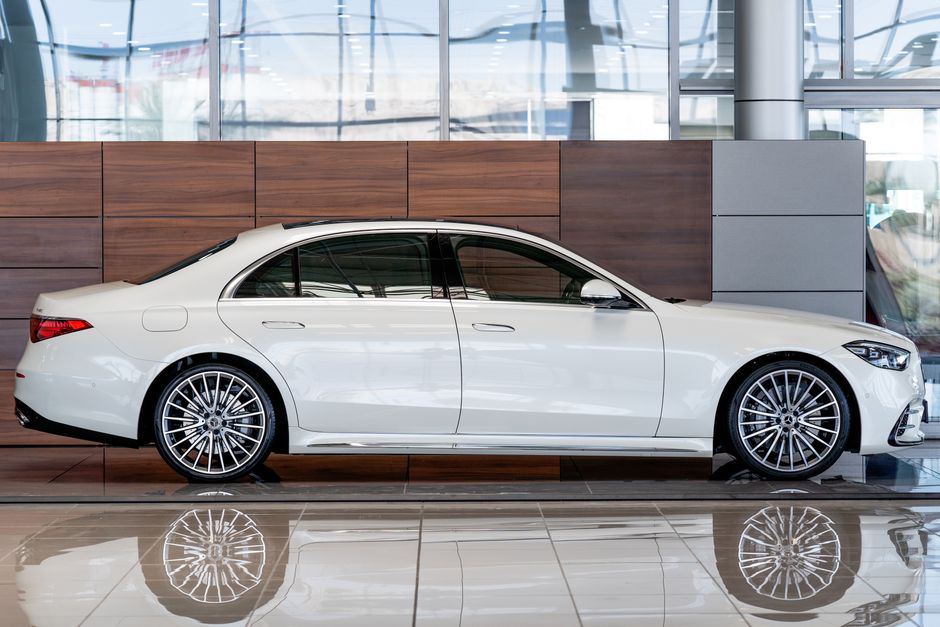
Mercedes-Benz vs BMW is a rivalry that excites car enthusiasts in 2025. Both brands set the standard in the premium segment, offering advanced technology, luxurious design, and exceptional comfort. The Mercedes-Benz S-Class and BMW 7-Series, for example, compete for leadership in the luxury sedan class. In this article we break down the key aspects, including innovation, style, and driving experience, to see which brand comes out on top. Let’s compare these marques and find out who wins the premium-brand battle.
Brand History: The Origins of Mercedes and BMW
Mercedes-Benz was founded in 1926 through the merger of Daimler and Benz. The brand quickly became synonymous with luxury. The 1955 Mercedes-Benz 300SL Gullwing with its signature wing doors, for instance, cost $11,000. The 1972 S-Class also established new safety benchmarks. BMW, founded in 1916, began with aircraft engines. Its first car, the BMW 3/15, arrived in 1929. The 1956 BMW 507, priced at $10,500, became a style icon. Both marques therefore share a rich heritage.
Key Milestones in Development
Mercedes-Benz has focused on innovation. The 1991 S-Class W140 introduced airbags, for example, while the 2021 EQS became the brand’s electric flagship. BMW has prioritized dynamics. The 1986 BMW M3, priced at $40,000, became a motorsport legend, and the 2014 i8 showcased hybrid technology. Both brands evolved, yet with different philosophies: Mercedes-Benz chose comfort, BMW chose sportiness.
Technology: Mercedes-Benz vs BMW
Mercedes-Benz vs BMW is a technology battle. The Mercedes-Benz EQS features the 141 cm Hyperscreen that controls every function. The 2025 S-Class also offers Level 3 autonomous driving and self-parking capability. The 2023 BMW i7 uses a head-up display that projects data onto the windshield and likewise provides Level 3 autonomy. Both brands therefore lead in innovation.
Autonomous Driving and Safety
Mercedes-Benz emphasizes safety. The S-Class uses PRE-SAFE to tension the seatbelts before a collision, while the EQS adds 360-degree cameras. BMW’s i7 offers night vision that detects pedestrians up to 300 meters away, and the 7-Series features adaptive cruise control that maintains distance. Mercedes-Benz leads in safety systems, BMW in interactive features.
Design: Mercedes vs BMW
Design is a key differentiator. The 2025 Mercedes-Benz S-Class uses flowing lines and an illuminated grille, while the EQS achieves a class-leading drag coefficient of 0.20. The 2023 BMW 7-Series adopts a bolder stance with a massive grille, and the i7 features a minimalist cabin. Mercedes-Benz favors elegance, BMW favors boldness.
Exterior and Interior
Mercedes-Benz focuses on luxury. The S-Class offers a leather interior with fragrance atomization and massaging seats in the EQS. BMW’s i7 uses a sportier approach with carbon-fiber trim, a 31-inch rear passenger screen, and vegan leather. Mercedes-Benz wins on opulence, BMW on modernity.
Performance: Mercedes or BMW
Mercedes-Benz vs BMW is also a debate about dynamics. The Mercedes-Benz S580 produces 496 horsepower and sprints to 100 km/h in 4.4 seconds; the EQS AMG reaches 658 hp. The BMW 760i xDrive delivers 536 hp and hits 100 km/h in 4.2 seconds, while the i7 M70 produces 650 hp. BMW edges ahead in outright speed, Mercedes-Benz in refinement.
Electric Models
The Mercedes-Benz EQS offers a 523 km range and 355 hp. The BMW i7 extends range to 625 km with 544 hp and charges in 34 minutes versus 38 minutes for the EQS. BMW leads in electric performance, yet Mercedes-Benz still excels in comfort.
Comfort: The Premium-Brand Battle
Comfort is a strength for both. The Mercedes-Benz S-Class provides seats with 10 massage programs and road-adaptive suspension. The BMW 7-Series offers 12-way adjustable seats and reduces cabin noise by 15 decibels. Mercedes-Benz wins on luxury, BMW on practicality.
Technologies for Passengers
Mercedes-Benz prioritizes rear-seat passengers with entertainment screens and heated armrests in the EQS. BMW’s 7-Series features a 31-inch screen that retracts into the headliner and a panoramic roof with variable transparency. BMW leads in multimedia, Mercedes-Benz in thoughtful details.
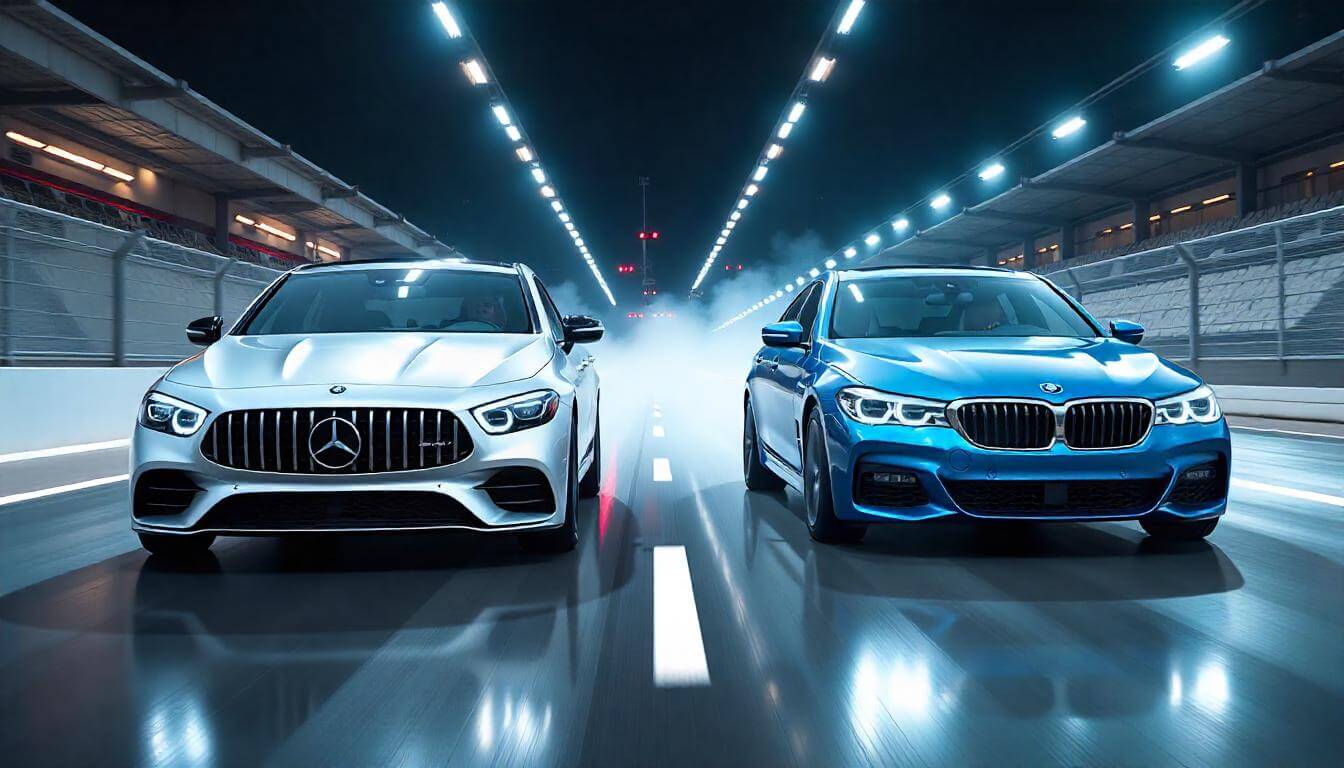
Sustainability: Mercedes vs BMW
Sustainability matters in 2025. The Mercedes-Benz EQS uses recycled materials, including carpet made from plastic, and the S-Class cuts emissions by 20 %. BMW’s i7 employs vegan leather and recycles 90 % of its battery materials. Both brands care about the environment, yet BMW holds a slight edge.
Electrification and Emissions
The Mercedes-Benz EQS consumes 16 kWh per 100 km with zero tailpipe emissions. The BMW i7 uses 19 kWh per 100 km, also with zero emissions, and offers more plug-in hybrids such as the 5-Series PHEV. BMW wins on flexibility, Mercedes-Benz on efficiency.
Price and Value: Mercedes vs BMW
The Mercedes-Benz S-Class starts at $115,000 and the EQS at $102,000. The BMW 7-Series begins at $96,000, while the i7 starts at $120,000. Annual service for the S-Class costs about $2,500 versus $2,000 for the 7-Series. BMW wins on price, Mercedes-Benz on perceived value.
Cost of Ownership
Mercedes-Benz holds value better: the S-Class depreciates 30 % over five years versus 35 % for the 7-Series. BMW parts are cheaper—a headlight for the 7-Series costs $1,200 compared with $1,500 for the S-Class. Mercedes-Benz offers a five-year warranty, BMW four years. Mercedes-Benz therefore leads in long-term ownership costs.
Driving Experience: Mercedes vs BMW
The Mercedes-Benz S-Class delivers a smooth ride with suspension that absorbs bumps and near-silent cabin comfort in the EQS. The BMW 7-Series provides sportier feedback with sharper steering and quicker throttle response. BMW wins on driver engagement, Mercedes-Benz on comfort.
Dynamics on the Road
Mercedes-Benz emphasizes refinement. The S580 features a supple suspension, and the EQS AMG balances power with comfort. BMW’s 7-Series prioritizes handling: the 760i xDrive corners more sharply and the i7 M70 accelerates faster. BMW suits enthusiasts, Mercedes-Benz suits luxury seekers.
Image and Status: Mercedes-Benz or BMW
Mercedes-Benz is associated with luxury; the S-Class is often chosen for official events, while the EQS signals environmental awareness. BMW is seen as the sportier brand, attracting younger executives with the 7-Series and tech enthusiasts with the i7. Mercedes-Benz wins on prestige, BMW on dynamic image.
Audience Perception
Mercedes-Benz is chosen for status; diplomats favor the S-Class and eco-conscious buyers prefer the EQS. BMW attracts those who value driving enjoyment—young entrepreneurs buy the 7-Series and tech-savvy buyers choose the i7. Mercedes-Benz leads in classic prestige, BMW in contemporary appeal.
Conclusion: Mercedes-Benz vs BMW — Which Is Better?
Mercedes-Benz vs BMW is ultimately a choice between luxury and dynamism. Mercedes-Benz excels in comfort, safety, and prestige; the S-Class sets the benchmark for opulence. BMW leads in performance, value, and multimedia; the i7 offers more technology. Both brands are strong on sustainability. The right choice depends on your priorities: choose Mercedes-Benz for luxury, BMW for driving engagement.