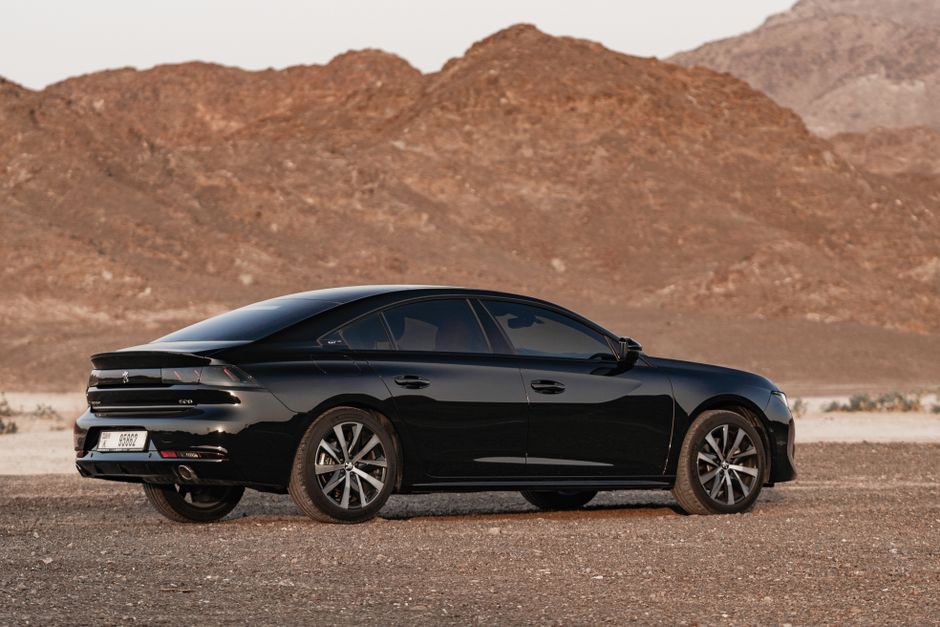

NHTSA (National Highway Traffic Safety Administration) has opened an investigation into Tesla's Full Self-Driving (FSD) software. The move follows a series of incidents involving the autopilot that resulted in clear traffic violations. In its official statement the regulator stressed the need to thoroughly examine the control systems to ensure the safety of passengers and other road users.
The main concerns center on the autopilot mode potentially allowing two types of violations: inadequate response to red traffic lights and unjustified actions during accidents or other critical situations. Consequently, NHTSA wants to determine whether there has been regular oversight of the system's development and whether it can truly deliver safe driving.
Incidents recorded in Texas and other regions have sparked discussion among experts and lawyers. Video footage of these events raises concerns about the high risks associated with operating autonomous vehicles. In its push to succeed with robotaxi services, Tesla may have underestimated the importance of strict adherence to traffic rules.
Given these factors, NHTSA has begun analyzing all available data on FSD performance, including reports on braking and other aspects that affect safety. The investigation marks a pivotal moment for the company and its ambitions in the electric-vehicle market, especially since the manufacturer's reputation could hinge on the outcome.
Overview of the Current Situation
The recent investigation by NHTSA concerns Tesla's automated driving system known as FSD (Full Self-Driving). The regulator is determined to establish how often the autopilot violates traffic rules and what consequences this may have for drivers and other road users.
The probe is examining incidents involving sudden braking that occurs when quick reaction is required. For example, the system sometimes fails to recognize guardrails or other obstacles properly, potentially creating dangerous situations.
These studies are taking place amid new realities in transportation technology. With the arrival of robotaxi services and other automated solutions, demand for safe and reliable driving systems is rising. Consumers want assurance that the technology does not put them at risk.
NHTSA has already reviewed four FSD-related incidents in which Tesla vehicles struck obstacles or failed to avoid collisions. In each case investigators are considering driver behavior alongside system performance.
Attention is focused on how FSD responds to traffic and emergency situations. Some videos show vehicles failing to execute safety measures, raising questions about the effectiveness of the control system.
The regulator will need time to assess all aspects and decide whether continued use of the system is warranted. It is worth noting that the price of autopilot and its full deployment could change significantly depending on the investigation's findings.
Until the investigation concludes, users should remain especially attentive and follow all autopilot usage guidelines. Safe driving must always remain the priority, even when technology tempts drivers to relax behind the wheel.
What Is FSD and What Makes It Unique?
FSD, or Full Self-Driving, is an automated system developed by Tesla. The software is designed to enable autonomous driving with minimal driver intervention. FSD includes automatic maneuvering, traffic-light and sign recognition, and highway driving capabilities.
A key feature is its ability to analyze real-time data from cameras and other sensors. This data is used to make driving decisions in various situations, allowing the system to react to changing conditions within seconds. Tesla is currently testing FSD in diverse urban environments, including Moscow, to deliver safer and more efficient driving.
FSD development forms part of Tesla's broader strategy to transition to automated vehicles that could eventually serve as robotaxis. However, these technologies also carry risks related to safety and potential accidents. NHTSA, the U.S. government's road-safety agency, is monitoring the situation and may intervene if incidents occur.
If an accident happens during testing or situations requiring legal intervention arise, experts and lawyers will examine how FSD affects driver and vehicle-owner liability. Possible outcomes could include financial compensation or additional regulations governing such technologies.
FSD is an evolving system that receives constant updates and feature improvements. Each update can enhance functionality and safety, making it attractive to consumers seeking automotive innovation.
According to 2023 data, Tesla has released several new versions of FSD that include improved braking algorithms and better response to road conditions. These updates help vehicles handle unexpected obstacles and adapt to different driving styles.
How Is NHTSA Responding to FSD Incidents?
NHTSA is actively responding to incidents involving Tesla's FSD systems. When the autopilot comes under scrutiny after crashes, the regulator launches investigations to determine causes and consequences. This sets an important precedent that could affect manufacturers of vehicles with automated systems.
Today's market realities require constant monitoring and analysis of these technologies. NHTSA processes data from vehicle cameras to gain a complete picture of system behavior in different situations. In the context of previously recorded incidents, the regulator may also examine cases that went viral and drew public attention.
In 2023, particularly in September, after several serious FSD-related incidents, NHTSA stated it was working to identify patterns common to these cases. Using information on timing, location, and incident type, the regulator can assess potential risks and consequences.
NHTSA is also considering how such incidents may affect legal relationships between drivers and manufacturers, including potential lawsuits. This matters because customers and the public need confidence that their safety will not be compromised in the pursuit of innovation.
| Date | Incident | Investigation Status |
|---|---|---|
| September 2023 | Intersection issues | Ongoing |
| August 2023 | Darkening problems | Closed |
Despite the challenges, NHTSA aims to prevent a sharp drop in trust in autonomous technology. The regulator seeks to ensure safe conditions for all road users and is collaborating with organizations such as the NTSB to improve safety standards.
Ultimately, NHTSA and manufacturers like Tesla must work together to refine the technology and meet user expectations. As autopilot becomes more widespread, the consequences of each incident can have long-term effects on the entire industry, including adaptation of rules and regulations to keep roads safe.
Every FSD incident is an opportunity to learn and improve existing technology. NHTSA's investigations can also lay the groundwork for new recommendations and legislative changes that will lead to safer automated systems in the future.
Analysis of Recent Incidents: Statistics and Examples
Questions about the safety of autonomous vehicles such as Tesla with Full Self-Driving (FSD) are drawing attention from regulators and the public. Analysis of incidents involving traffic violations has revealed significant concerns about the risks associated with these technologies. Statistics show that most violations occur in heavy traffic and dense urban conditions.
Data collected over recent months indicate that the majority of Tesla autonomous-vehicle incidents took place in states such as Texas. In these situations vehicles sometimes failed to respond correctly to red traffic lights, raising further questions about the quality of the control technology.
Violations identified during the investigation pointed to insufficient system reaction during hard braking. For example, vehicles occasionally failed to stop when full attention to the road was required.
- Some incidents prove that the systems do not always recognize road signs.
- Other situations revealed errors in detecting pedestrians at crosswalks.
Experts, including university professors, stress the importance of incorporating such data into technology development. If control errors persist, acceptance of autonomous vehicles could decline significantly. Regulators may then need to impose stricter measures to guarantee road safety.
Companies' ambitions to launch new features must be balanced against the systemic issues that still need solving. For instance, the price of electric vehicles is rising because of added technology, which also concerns consumers.
System reaction time, which can be less effective than that of a human driver, is a critical factor. This can lead to injuries in crashes. Such situations must therefore be factored into future forecasts and development plans.
NHTSA's investigation could become a turning point for the future of autonomous-driving technology. Companies in this field must place greater emphasis on safety to reduce incidents and build user trust.
Problems with Tesla Robotaxi
The NHTSA investigation has uncovered significant issues with Tesla's autonomous vehicles that can lead to traffic violations. In particular, situations at intersections sometimes require adjustments to the driving mode to prevent accidents. In response, the manufacturer has submitted new data on electric-vehicle characteristics and performance in complex urban environments such as Austin or Moscow.
Tesla has stated that its robotaxi technology is aimed at reducing crashes, yet practice shows this is not always the case. If driving systems fail to meet government requirements, legal consequences may follow, including lawsuits from owners in the event of further incidents. University research confirms that reaction time and the need for driver interaction affect safety, so dialogue about the technology and control tools will be important for all parties.