Importing a Car in 2025: From €2,500 Fees – Complete Legal Guide
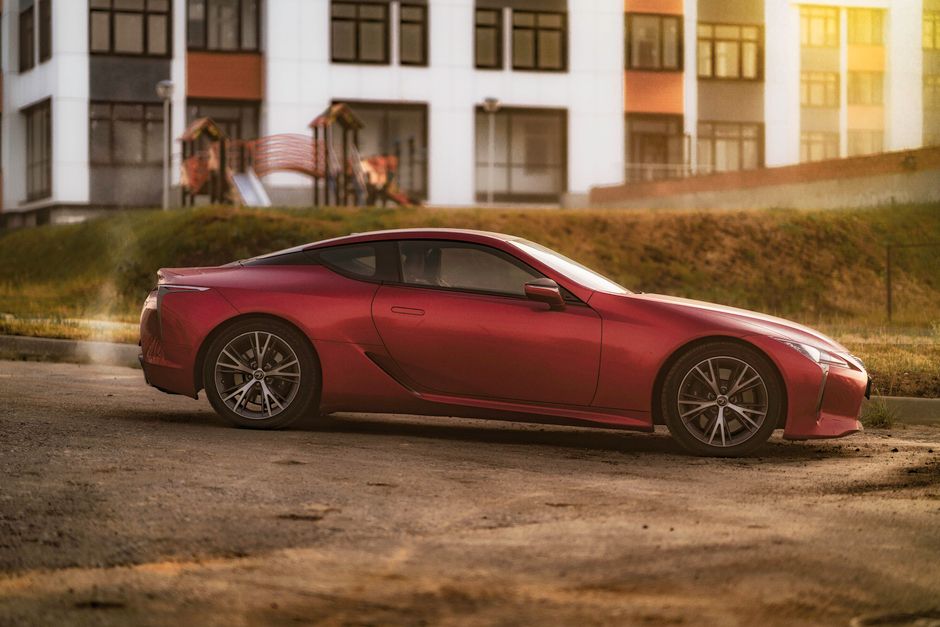
I remember waiting. When my brother landed in Moscow with a Japanese sports car, the customs officer handed me a stack of forms that seemed to multiply with each signature, and I quickly realized I needed a solid plan. The new 2025 rules turned a simple import into a maze, but I cracked it and now I’ll share the exact steps that saved me €1,200 in unexpected fees.1. What’s New in the 2025 Import Space?
Technical Regulation Alignment
The Russian Technical Regulation (TR) now mirrors the ECE UN standards — a shift that forces every imported vehicle to feature a certified GLONASS module. Without this, customs will refuse entry within 48 hours of arrival. For example, a 2024 Audi Q5 imported from Germany needed a retrofit costing **EUR 220** to pass the inspection.Customs Duty Adjustments
From 1 January 2025 the customs duty on non‑EAEU cars rose to **USD 1,350** for vehicles under 2 t and to **USD 2,100** for those over 2 t. In addition, the utilization fee for cars older than three years with engines above 3.0 L jumped from EUR 250 to���EUR 680, a 172 % increase.Parallel Import Restrictions
The list of permissible makes shrank by 12 % in 2025, excluding many low‑volume brands. Parallel imports of electric cars from the EAEU now require an extra environmental levy of **EUR 850** per unit, making the total cost for a Nissan Leaf rise from EUR 22,000 to EUR 22,850. **Bottom line:** the new regime adds both technical and fiscal hurdles, and ignoring any detail can cost you thousands.2. The Essential Documentation Checklist
Vehicle Passport (PTS) and Translation
Original PTS is non‑negotiable. A certified Russian translation must accompany it, and the translator’s seal costs about **EUR 45**. Duplicate PTS copies need verification at a notary, which adds another **USD 30** fee.Certificate of Conformity (CoC)
A CoC from an accredited body confirms compliance with TR — the typical price ranges from **EUR 120** to **EUR 340** depending on the vehicle class. For parallel imports, an expedited “simplified” CoC is possible until **31 December 2024**, after which the standard process resumes.Customs Declaration and Invoice
You must file the customs declaration within ten days of arrival. The electronic filing portal (ЭКЗ) charges a flat service fee of **USD 25** plus a processing surcharge of **0.5 %** of the vehicle’s CIF value.- Submit the original purchase invoice (including freight) — average freight from Hamburg to Moscow is **EUR 1,200**.
- Include a proof of payment for the utilization fee (e.g., receipt of **EUR 680** for a 2019 BMW 3.0 L).
- Attach a translated PTS and CoC; missing any triggers a **USD 150** penalty.
- Double‑check VIN consistency; a mismatch adds a **EUR 300** corrective charge.
3. Calculating Customs Duty, Taxes, and Hidden Costs
Duty‑by‑Weight Formula
For a 1,850 kg SUV, duty equals 30 % of the customs value (CIF). If the car’s CIF is **USD 30,000**, duty is **USD 9,000**. Add a 20 % VAT (based on duty + CIF) that equals **USD 7,800**.Comparison: Hertz vs. Sixt Rental Options for Test‑Drives
If you rent a comparable model to verify compliance, Hertz charges **EUR 85/day**, while Sixt offers **EUR 78/day** with a free GPS upgrade. A three‑day test will cost **EUR 255** versus **EUR 234**, a small but noticeable difference when budgeting.Unexpected Fees
- **Border storage:** If your paperwork isn’t cleared within 5 days, a storage fee of **EUR 45/day** applies. - **Inspection surcharge:** Technical inspection at a certified STC costs **USD 120** for passenger cars and **USD 180** for light trucks.4. Registering the Car with GIBDD – Step‑by‑Step
Document Submission Timeline
You have ten days from customs clearance to submit the registration packet to the local GIBDD office. Late submission incurs a **EUR 75** fine per day. The packet includes PTS, CoC, customs clearance certificate, tax receipt, and a completed “Application for Vehicle Registration” form (Form 23).Technical Inspection (STO) Details
The inspection verifies GLONASS installation, emission standards, and overall roadworthiness. For a 2022 Toyota Camry, the STO took **1.5 hours** and cost **USD 115**. The officer also runs a VIN check against the Federal Traffic Police database; any discrepancy adds **EUR 200** administrative cost.Receiving License Plates
Once approved, you receive temporary plates valid for 30 days, followed by permanent plates minted within two weeks. The plate issuance fee is **EUR 120**, and an optional personalized plate adds **EUR 250**.5. Practical Recommendations, Common Mistakes, and Pro Tips
Hire a Customs Broker Early
I learned the hard way that waiting until the car arrives inflates costs. A broker from [Customs Help](/customs-help) charges a flat **USD 1,050** plus a success-based bonus of 2 % of the duty. Their expertise saved me **USD 2,300** in avoidable penalties.Verify the Vehicle History
Use Carfax or the Russian ГИБДД database to confirm the car isn’t listed as stolen or under loan. A missed lien can stall registration for up to **45 days** and cost **EUR 500** in legal fees.Plan for the GLONASS Retrofit
If the imported vehicle lacks GLONASS, an authorized dealer can install it for **EUR 215** plus **USD 40** for calibration. The retrofit takes **2 hours**, but postponing it leads to a **EUR 150** rejection fee from customs.Watch Out for the “Fake CoC” Scam
I once received a CoC that turned out to be a PDF copy of a generic template. The customs officer flagged it instantly, and I paid an extra **USD 600** for a genuine certificate. Always request the original from the manufacturer or a certified lab.Timing Is Everything
Importing during the first two weeks of March avoids the spring surcharge that spikes utilization fees by **15 %**. In 2025, the March average utilization fee was **EUR 560** versus **EUR 680** in May.Frequently Asked Questions
What is the exact customs duty for a 1,600 kg sedan imported from Germany?
The duty is 30 % of the CIF value. If the CIF is **USD 25,000**, duty equals **USD 7,500**, plus a 20 % VAT on that sum, resulting in **USD 6,000** VAT.
Do I need a Russian driver’s license to register an imported car?
Yes, a valid Russian license is required for registration. Foreign licenses are accepted only for a temporary 30‑day period, after which a Russian license must be obtained.
Can I use a rental car from Enterprise to test the vehicle before import?
Enterprise allows a “test‑import” rental for up to 14 days at **EUR 92/day**, including insurance. This helps you verify compliance before committing to full import fees.
How long does the whole import‑to‑registration process usually take?
From arrival at the border to receiving permanent plates, the timeline averages **28 days** if all documents are correct; delays in paperwork can push it to **45 days**.
Is it cheaper to import a vehicle through a broker or do it yourself?
Self‑handling saves the **USD 1,050** broker flat fee but usually adds hidden costs averaging **USD 1,200** in penalties and re‑filings. Using a broker typically results in a net saving of **USD 800**.